
No Single Clearfield County Warrant Search
Clearfield County does not publish an official Sheriff warrant search form on the county Sheriff page. The local access path is split among the Clearfield County Sheriff, the four Magisterial District Courts, and the statewide UJS Case Search. That split matters because a bench warrant from a missed MDJ traffic date may be visible in a docket before it is discussed by a sheriff employee, while an arrest warrant may require direct confirmation with the court or Sheriff.
The Sheriff page identifies Chester Hawkins as Sheriff and lists the office on the first floor of the Clearfield County Courthouse. The office handles prisoner transportation, courtroom security, service of legal papers, licenses to carry, and enforcement of the Crimes and Traffic Code. Those duties make the Sheriff a key confirmation point, but the issuing court still controls many warrant entries and bail instructions.
The official county image source for the Sheriff office is linked here: Clearfield County Sheriff office duties and contact information.
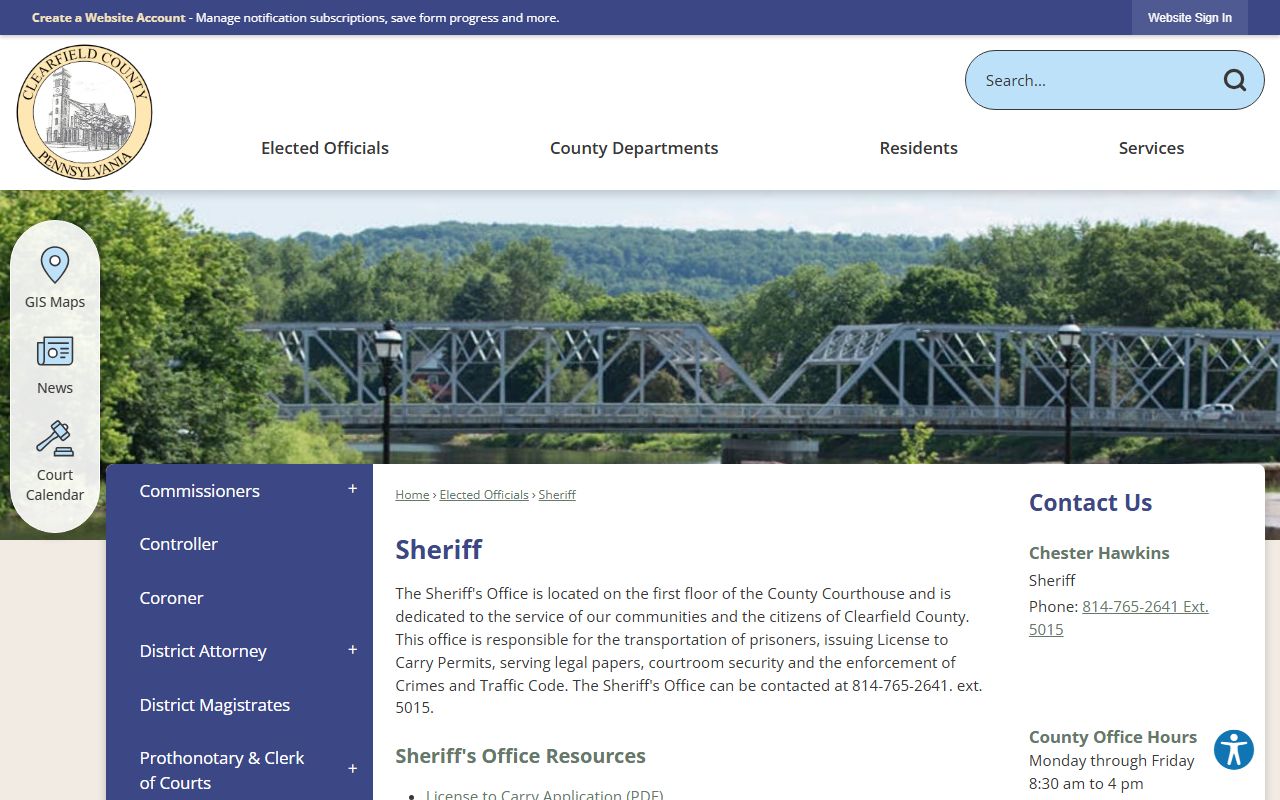
The Sheriff page supports the practical warrant workflow because it identifies the local enforcement office but does not replace a docket or court confirmation.
How to Check Clearfield County Warrants
For a Clearfield County warrant lookup, start with court records because bench warrants and failure-to-appear issues often grow out of a case event. The UJS portal supports participant name, docket number, offense tracking number, complaint number, incident number, citation number, and calendar searches. Choose Clearfield as the county when possible. For a Magisterial District Court matter, use the MDJS office filter if the ticket, complaint, or notice names the court.
- Search the UJS portal by name, docket number, OTN, complaint number, incident number, or citation number.
- Open the docket sheet and look for warrant, bail, bench warrant, failure-to-appear, or hearing event language.
- Call the issuing Magisterial District Court or the Sheriff at 814-765-2641 ext. 5015 to confirm whether the warrant remains active.
- Ask the court whether bail can be posted, whether a new court date is set, and whether a motion is needed to recall or lift the warrant.
- Do not assume a payment or web result clears the warrant until the issuing court updates the docket or gives direct instructions.
Clearfield County has four MDJ offices: DuBois, Clearfield, Kylertown, and Houtzdale. They handle summary cases, traffic matters, preliminary arraignments, bail, warrants, and preliminary hearings. A warrant tied to a traffic citation or summary offense may belong to one of those offices rather than to the Court of Common Pleas at the main courthouse.
Clearfield County Warrant Search Fields
The research did not locate a county-hosted warrant database with its own search form. The most reliable public field set comes from UJS Case Search, which covers warrant-related case categories and docket events. UJS is also the route for PAeDocket, the free mobile app for public case and docket search. PAeDocket helps with charges, dockets, and court dates, but no Clearfield County Sheriff mobile app with a verified warrant tool was found.
| Search Field | Use For | Required | Clearfield County Notes |
|---|---|---|---|
| Participant Name | Name-based docket search | No | Useful when no docket number is known; expect multiple matches for common names. |
| Docket Number | Known court case | No | Best when a court notice, citation, or attorney letter already lists the docket. |
| OTN | Criminal case tracking | No | Offense tracking numbers can connect arrest and criminal docket records. |
| Complaint or Incident Number | Police or complaint lookup | No | Helpful when the information came from a police complaint or incident report. |
| Citation Number | Traffic and summary matters | No | Use for traffic warrants or failure-to-respond issues tied to citations. |
| County / Judicial District | Local filter | No | Filter to Clearfield County or Judicial District 46 when the portal allows it. |
Types of Clearfield County Warrants
Warrant records in Clearfield County may come from different court stages. The county MDJ page states that district judges issue warrants, fix and accept bail, preside over arraignments, and hold preliminary hearings. The Court of Common Pleas can also generate warrant activity in criminal cases, probation matters, and failure-to-appear situations after a case moves beyond the MDJ level.
- Arrest warrant: a court order authorizing arrest after a complaint or probable-cause process.
- Bench warrant: a warrant often issued after a missed hearing, unpaid obligation, or court-order violation.
- Traffic warrant: a warrant or court action tied to failure to respond to a traffic citation or MDJ order.
- Search warrant: a court order authorizing a search, which may be sealed while an investigation is active.
- Juvenile warrant: a warrant in a juvenile matter, usually restricted from normal public access.
Note: A warrant may be active even when a public web page is silent, so confirmation should come from the issuing court or Sheriff.
What Clearfield County Warrant Records Show
Public warrant clues usually appear as docket events, case status notes, bail events, or law-enforcement posts. The research found CRIMEWATCH-style entries with name, charge, warrant type or reason, incident number, docket number, agency, images, and tip language. Because CRIMEWATCH is not a county .gov page, treat it as a law-enforcement administered lead source rather than the final warrant authority.
| Field | What It Can Show |
|---|---|
| Name | The person connected to the warrant entry or docket record. |
| Charge or statute | The alleged offense, citation, or case category behind the warrant. |
| Reason | Bench warrant, failure to appear, failure to pay, or other court action when public. |
| Docket number | The UJS or MDJ case number used to verify court status. |
| Incident number | A police or agency identifier that may help match the correct event. |
| Agency | The police department, court, Sheriff, or law-enforcement office linked to the entry. |
Clearfield County Crime Stoppers Tips
Clearfield County also provides an online Crime Stoppers tip form. Tip forms are for providing information to law enforcement. They are not a warrant clearance tool and should not be used to ask for legal advice or to confirm personal warrant status. For personal warrant questions, contact the Sheriff, the relevant MDJ office, or a lawyer.
The source image for this local tip channel comes from the Clearfield County Crime Stoppers anonymous tip form.
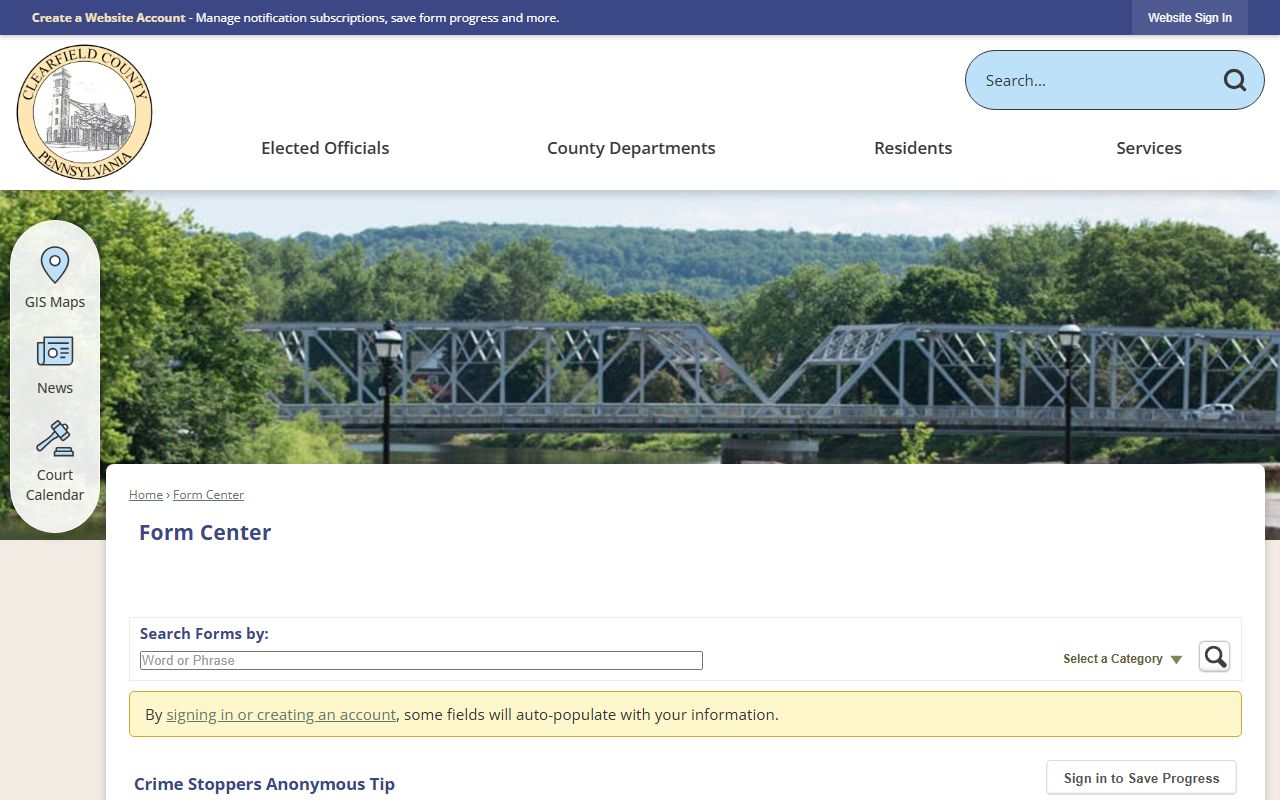
The Crime Stoppers form supports the law-enforcement side of warrant information, while UJS and the courts remain the better route for docket status.
Resolving Clearfield County Warrants
A person who finds a possible Clearfield County warrant should verify it before taking action. Public pages may lag behind court updates, and a case can involve more than one office. The practical sequence is to identify the docket, call the issuing court, ask whether bail or a hearing is required, then follow the court's instructions. If the warrant is part of a criminal case, an attorney can help decide whether a motion to lift, quash, or recall the warrant is needed.
Important: If arrest is possible, speak with a criminal-defense lawyer before appearing at court or the jail.
The Public Defender may be relevant for qualifying defendants in criminal cases, but the office does not handle civil matters. The adult application must include financial verification and, when available, the police criminal complaint and affidavit of probable cause.
Restricted Clearfield County Warrant Records
Not all warrant records are public. Sealed warrants, juvenile matters, mental-health records, sealed court documents, and some confidential personal information are outside normal public access. The county Prothonotary page excludes sealed cases, sealed documents by court order, juvenile records, and mental health records from public access. The UJS Case Records Public Access Policy also controls remote access and confidential information in court files.
The Pennsylvania juvenile expungement statute is relevant when juvenile court records are involved: 18 Pa.C.S. Section 9123.
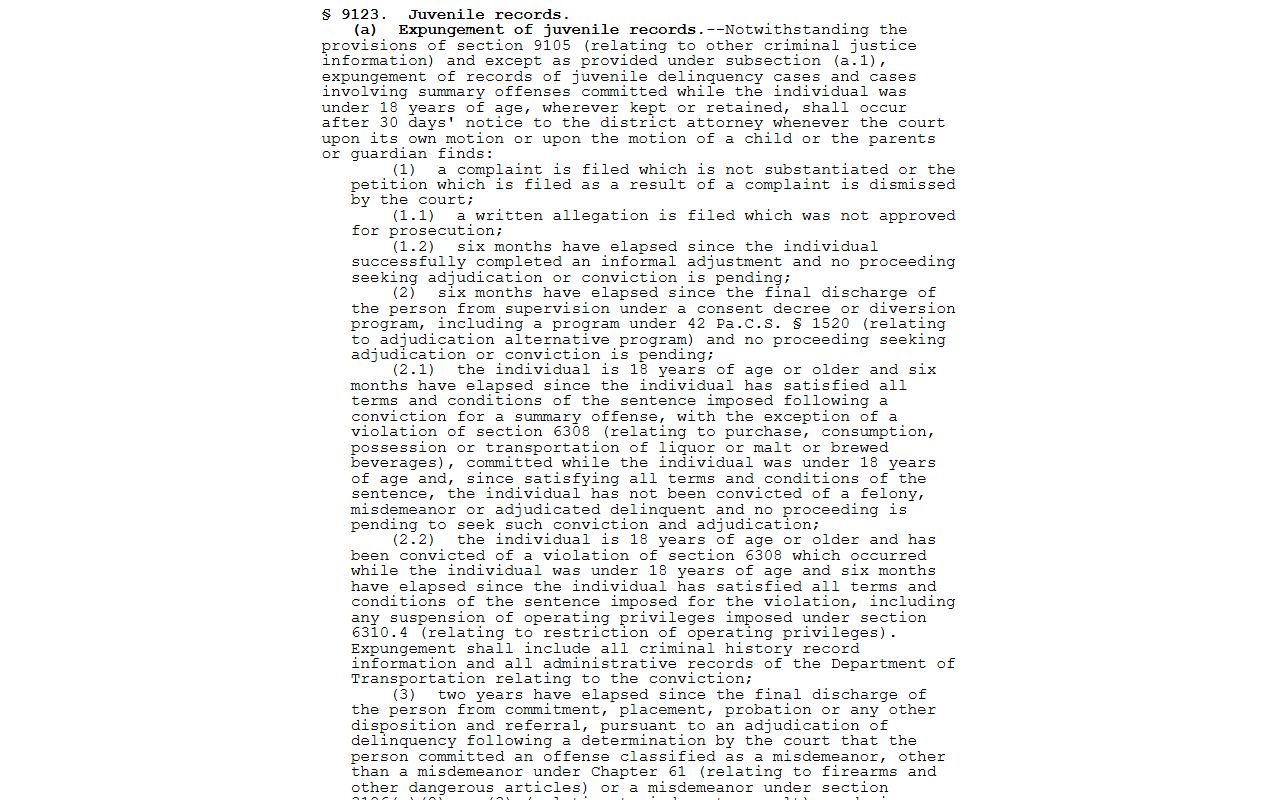
Juvenile and sealed warrant material should be handled through the court, because public docket tools may hide or redact the most sensitive parts of the record.